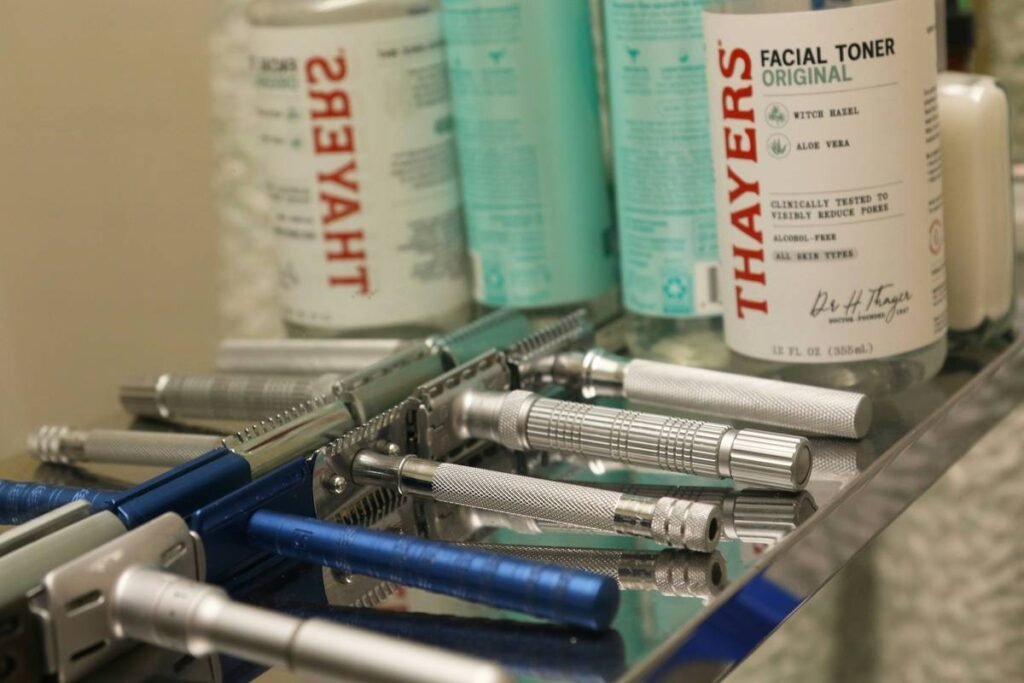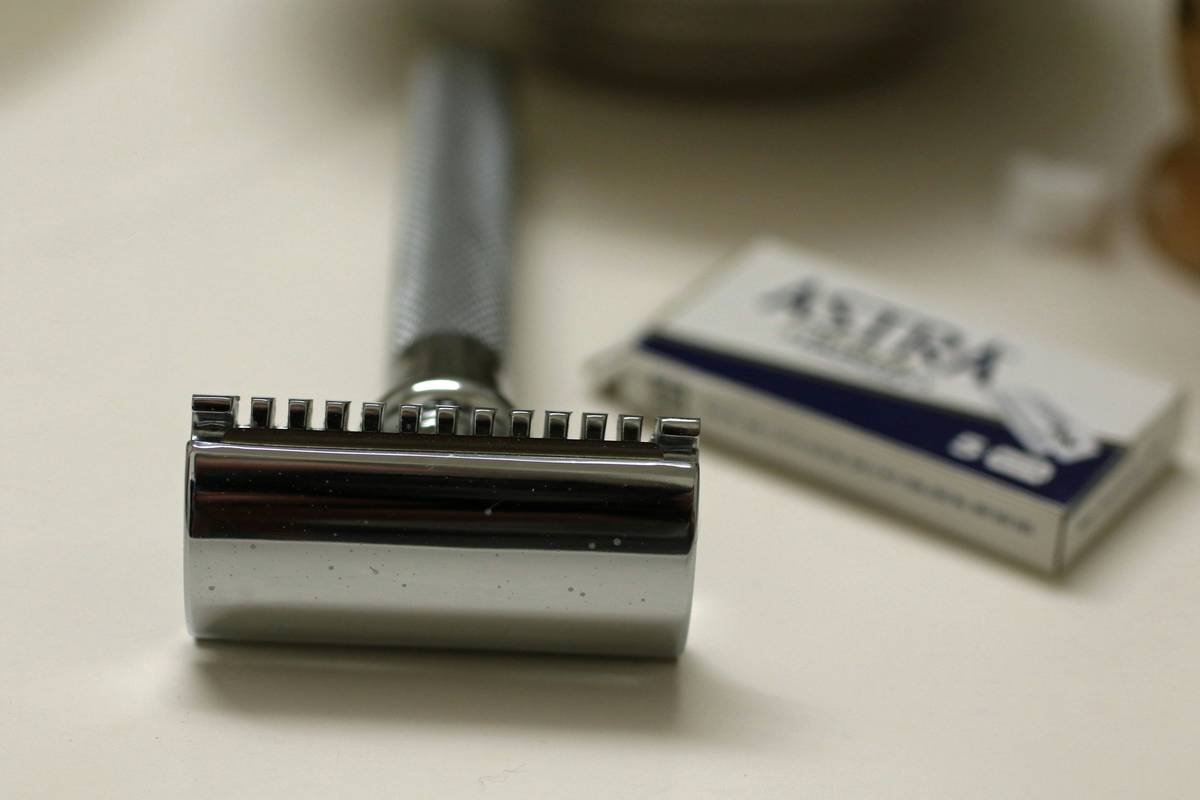
You shave. Your face stings like hellfire. Redness flares. Tightness sets in. You’ve tried every “soothing” aftershave marketed to men—yet your skin rebels like it’s under siege. The problem? Nearly all mainstream formulas ignore biology in favor of fragrance and shelf appeal. Here’s the fix: a targeted, minimalist approach built for reactive skin—not mass-market aesthetics.
The Core Problem: Why Standard Aftershaves Worsen Sensitivity
Alcohol isn’t evil—but 70% ethanol? On compromised skin post-shave? That’s chemical aggression disguised as cleanliness. And don’t get me started on synthetic fragrances. They’re not just unnecessary—they’re top allergens disguised as luxury.
Most drugstore aftershaves treat your face like a battlefield needing sterilization. But sensitive skin doesn’t need warfare. It needs repair. Barrier support. Calm.
Step-by-Step Guide: Building a Gentle, Effective Post-Shave Routine
Forget one-size-fits-all bottles. Build a ritual that respects your skin’s limits—and leverages its healing power.
Shave Smart: Prep Matters More Than You Think
HOT water opens pores—but scalding water strips oils. Use warm, not hot. Always shave post-shower. And never dry-shave. Ever.
Cleanse Without Stripping
Ditch foaming cleansers pre-shave. Opt for a non-lathering, pH-balanced gel or oil. Micellar water works surprisingly well too—no rubbing, no residue.
Select Your Aftershave Like a Dermatologist
Look for these non-negotiables: alcohol-free (or <5% denatured alcohol), fragrance-free, and packed with barrier-repair actives like panthenol, allantoin, or colloidal oatmeal. Avoid menthol—it numbs but damages long-term resilience.
Lock in Moisture Within 60 Seconds
Post-shave is your skin’s golden window. Apply your aftershave immediately—then follow with a lightweight moisturizer if needed. Time = efficacy.
| Product Type | Alcohol Content | Fragrance | Key Soothing Ingredients | Suitable for Daily Use? |
|---|---|---|---|---|
| Traditional Aftershave Splash | 60–80% | Heavy synthetic | None | No |
| Alcohol-Free Balm | 0% | Unscented or essential oil only | Panthenol, bisabolol, glycerin | Yes |
| Medicated Gel (OTC) | 10–20% | Mild | Allantoin, aloe, niacinamide | Situational |
| DIY Diluted Witch Hazel | 14% (if diluted 1:1) | None | Hamamelis extract (natural tannins) | Test first—variable tolerance |
The Industry Secret: “Fragrance-Free” Isn’t Always Enough
Here’s what brands won’t tell you: “fragrance-free” can still contain masking agents—chemicals added to neutralize raw material odors. These aren’t listed as “fragrance,” but they trigger reactions just the same.
I once audited a bestselling “dermatologist-tested” balm labeled fragrance-free. Lab analysis revealed three undisclosed odor-masking compounds—all known sensitizers. The math is simple: if it smells strongly “clean” or “neutral,” something’s hiding.
True safety means minimal ingredients, full transparency, and third-party testing. Don’t trust claims—demand INCI lists. And patch-test everything behind your ear for 48 hours. Your face will thank you.
FAQ
Can I use regular moisturizer instead of aftershave for sensitive facial skin?
Only if it’s formulated for post-shave use. Most moisturizers lack anti-inflammatory actives needed to calm micro-cuts and irritation from shaving.
Is witch hazel safe for sensitive skin after shaving?
Undiluted witch hazel? No. But a 50/50 mix with distilled water can work—if your skin tolerates tannins. Always patch-test first.
How often should I apply aftershave for sensitive facial skin?
Once per shave—immediately after. Overuse disrupts your barrier. Less is more.